
In my last message, I shared a simple idea: that Cape Symphony is still an orchestra, and we are becoming something more.
That’s not unique to us. It’s part of a broader shift happening across the country. For most of the 20th century, the role of an orchestra was very clear: You went to the symphony to hear great music performed live. That experience was rare, and it was central to cultural life in many communities.
Today, the experience of music looks very different.
You can hear a full orchestral score in a film, at home, or even on your phone. Music is everywhere—streaming, live events, digital platforms, and across genres. The sound of the orchestra hasn’t lost its power, but it’s no longer limited to the concert hall.
At the same time, audiences are looking for something more than presentation. They’re looking for connection. They want experiences that feel relevant to their lives. They want to bring their families. They want to see themselves reflected in the programming. They want to feel part of something, not just sit and observe.
That doesn’t mean people have lost interest in classical music. Far from it.
It means the way people discover and engage with classical music has expanded. And that’s where the opportunity is. Across the field, orchestras are responding by broadening what they offer. Not by stepping away from the art form, but by creating more ways for people to experience it.
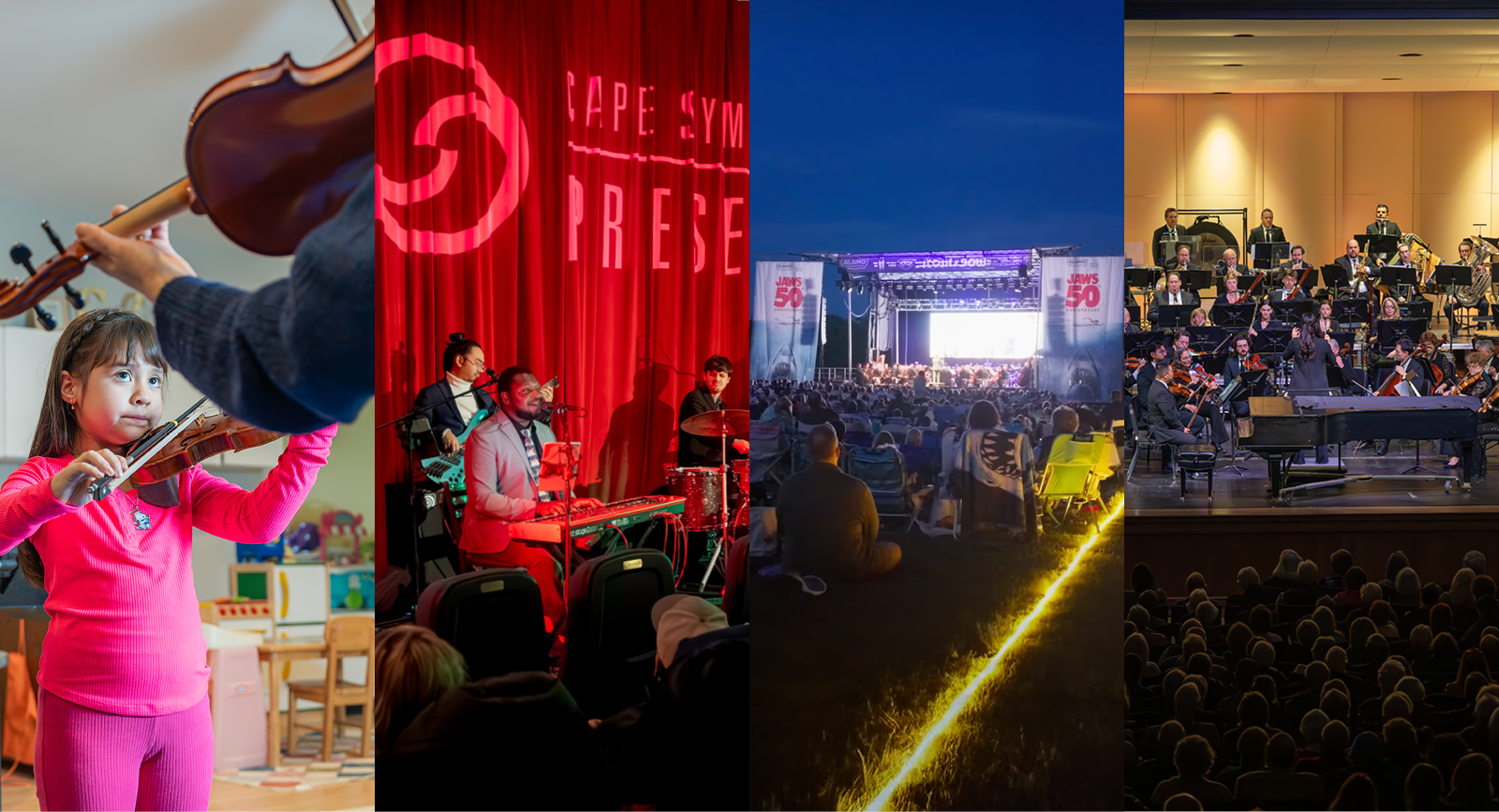
That might look like: Film concerts that bring orchestral music to familiar stories • Cross-genre performances that connect different audiences • Education programs that introduce music early in life • Smaller, more intimate performances in community spaces • Partnerships with other cultural organizations
These aren’t replacements for traditional concerts. They’re entry points. They create more ways for people to walk through the door. And once they do, something important happens. A family that comes for a film concert might return for a Pops performance. A student who takes lessons might attend their first live symphony. Someone who discovers us through a community event might become a regular audience member—or even a supporter.
Over time, those experiences begin to connect. What used to be a single event becomes a relationship.
That’s the real shift. Orchestras are moving from being primarily presenters of concerts to being organizations that build lasting connections with their communities.
The strongest organizations today are the ones that do both well. They protect the artistic core. They continue to present great orchestral music at a high level. And at the same time, they expand the ways people can engage with it.
That balance matters. Because the goal isn’t to change what an orchestra is; it’s to make sure it remains a meaningful part of people’s lives.
At Cape Symphony, this is already part of how we think. Our Masterpiece and Pops series remain central to who we are. At the same time, our education programs, Cape Symphony Presents, and community partnerships are creating new pathways for people to connect with us.
Different entry points. One organization.
In my next post, I’ll talk about how this plays out here on Cape Cod—and why the unique nature of this region shapes how we have to think about the future.
Michael Albaugh is President and CEO of Cape Arts & Entertainment.